
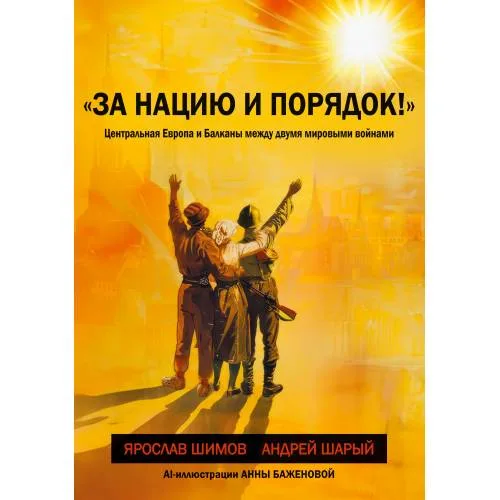
Новая совместная работа соавторов популярного страноведческого исследования «Австро-Венгрия: судьба империи» рассказывает о межвоенной истории Центральной и Юго-Восточной Европы, от Балтики до Средиземноморья, охватывая эпоху от 1914-го до конца 1940-х годов. Известный как interbellum период не случайно называют «золотым веком» европейских диктатур, появление которых связано с крушением традиционных монархических систем, приходом народных масс в политику и кризисом возникших после окончания Первой мировой войны незрелых демократий, ни одна из которых не просуществовала дольше двух десятилетий. Дюжину расположенных в геополитическом коридоре между нацистской Германией, фашистской Италией и сталинским СССР государств сковала общая судьба: к концу 1930-х годов попытки демократического строительства иссякли, а укрепившиеся у власти авторитарные режимы оказались втянуты в новую мировую войну. Противоречивым общественным процессам того времени, классификации и характеристике политических систем разных стран, выявлению закономерностей и особенностей их кризисного развития и посвящена книга «За нацию и порядок!». Я. Шимов и А. Шарый уверенно работают в межжанровом творческом пространстве, умело сочетая глубокий анализ политических событий и общественных явлений с увлекательным повествованием о государственных деятелях, военных,интеллектуалах — людях, определивших «выражение лица» сложной межвоенной эпохи, и колоритными заметками о повседневной жизни Центральной Европы и Балкан. Доскональное знание региона «между востоком и западом» континента, тонкое понимание логики и взаимосвязей исторических процессов, строгая беспристрастность и опора на разнообразные источники позволили авторам исследования восстановить картину драматических перемен, многие из которых перекликаются с сегодняшним днем — ведь тема генезиса, упадка и краха авторитарных режимов не потеряла актуальности. Алгоритмы политики цикличны: разнообразие цивилизационных обстоятельств в странах пестрого региона с населением в 125 миллионов человек не помешало им всем к концу XX века совершить демократический прорыв. Пусть механизмы общественного управления не везде совершенны, а движение вперед дается нелегко, но общий вектор развития указывает на необратимость перемен. А это значит: даже трудные исторические уроки могут быть усвоены.
In stock
26,00 €
Новая совместная работа соавторов популярного страноведческого исследования «Австро-Венгрия: судьба империи» рассказывает о межвоенной истории Центральной и Юго-Восточной Европы, от Балтики до Средиземноморья, охватывая эпоху от 1914-го до конца 1940-х годов. Известный как interbellum период не случайно называют «золотым веком» европейских диктатур, появление которых связано с крушением традиционных монархических систем, приходом народных масс в политику и кризисом возникших после окончания Первой мировой войны незрелых демократий, ни одна из которых не просуществовала дольше двух десятилетий. Дюжину расположенных в геополитическом коридоре между нацистской Германией, фашистской Италией и сталинским СССР государств сковала общая судьба: к концу 1930-х годов попытки демократического строительства иссякли, а укрепившиеся у власти авторитарные режимы оказались втянуты в новую мировую войну. Противоречивым общественным процессам того времени, классификации и характеристике политических систем разных стран, выявлению закономерностей и особенностей их кризисного развития и посвящена книга «За нацию и порядок!». Я. Шимов и А. Шарый уверенно работают в межжанровом творческом пространстве, умело сочетая глубокий анализ политических событий и общественных явлений с увлекательным повествованием о государственных деятелях, военных,интеллектуалах — людях, определивших «выражение лица» сложной межвоенной эпохи, и колоритными заметками о повседневной жизни Центральной Европы и Балкан. Доскональное знание региона «между востоком и западом» континента, тонкое понимание логики и взаимосвязей исторических процессов, строгая беспристрастность и опора на разнообразные источники позволили авторам исследования восстановить картину драматических перемен, многие из которых перекликаются с сегодняшним днем — ведь тема генезиса, упадка и краха авторитарных режимов не потеряла актуальности. Алгоритмы политики цикличны: разнообразие цивилизационных обстоятельств в странах пестрого региона с населением в 125 миллионов человек не помешало им всем к концу XX века совершить демократический прорыв. Пусть механизмы общественного управления не везде совершенны, а движение вперед дается нелегко, но общий вектор развития указывает на необратимость перемен. А это значит: даже трудные исторические уроки могут быть усвоены.
Новая совместная работа соавторов популярного страноведческого исследования «Австро-Венгрия: судьба империи» рассказывает о межвоенной истории Центральной и Юго-Восточной Европы, от Балтики до Средиземноморья, охватывая эпоху от 1914-го до конца 1940-х годов. Известный как interbellum период не случайно называют «золотым веком» европейских диктатур, появление которых связано с крушением традиционных монархических систем, приходом народных масс в политику и кризисом возникших после окончания Первой мировой войны незрелых демократий, ни одна из которых не просуществовала дольше двух десятилетий. Дюжину расположенных в геополитическом коридоре между нацистской Германией, фашистской Италией и сталинским СССР государств сковала общая судьба: к концу 1930-х годов попытки демократического строительства иссякли, а укрепившиеся у власти авторитарные режимы оказались втянуты в новую мировую войну. Противоречивым общественным процессам того времени, классификации и характеристике политических систем разных стран, выявлению закономерностей и особенностей их кризисного развития и посвящена книга «За нацию и порядок!». Я. Шимов и А. Шарый уверенно работают в межжанровом творческом пространстве, умело сочетая глубокий анализ политических событий и общественных явлений с увлекательным повествованием о государственных деятелях, военных,интеллектуалах — людях, определивших «выражение лица» сложной межвоенной эпохи, и колоритными заметками о повседневной жизни Центральной Европы и Балкан. Доскональное знание региона «между востоком и западом» континента, тонкое понимание логики и взаимосвязей исторических процессов, строгая беспристрастность и опора на разнообразные источники позволили авторам исследования восстановить картину драматических перемен, многие из которых перекликаются с сегодняшним днем — ведь тема генезиса, упадка и краха авторитарных режимов не потеряла актуальности. Алгоритмы политики цикличны: разнообразие цивилизационных обстоятельств в странах пестрого региона с населением в 125 миллионов человек не помешало им всем к концу XX века совершить демократический прорыв. Пусть механизмы общественного управления не везде совершенны, а движение вперед дается нелегко, но общий вектор развития указывает на необратимость перемен. А это значит: даже трудные исторические уроки могут быть усвоены.
| Weight | 0,600000 kg |
|---|---|
| Dimensions | 0,000000 × 0,000000 cm |





Reviews
There are no reviews yet.